Showing posts with label geometric shapes. Show all posts

Wednesday, December 14, 2016

Kindergarten Arctic Animals - The many varieties of creativity


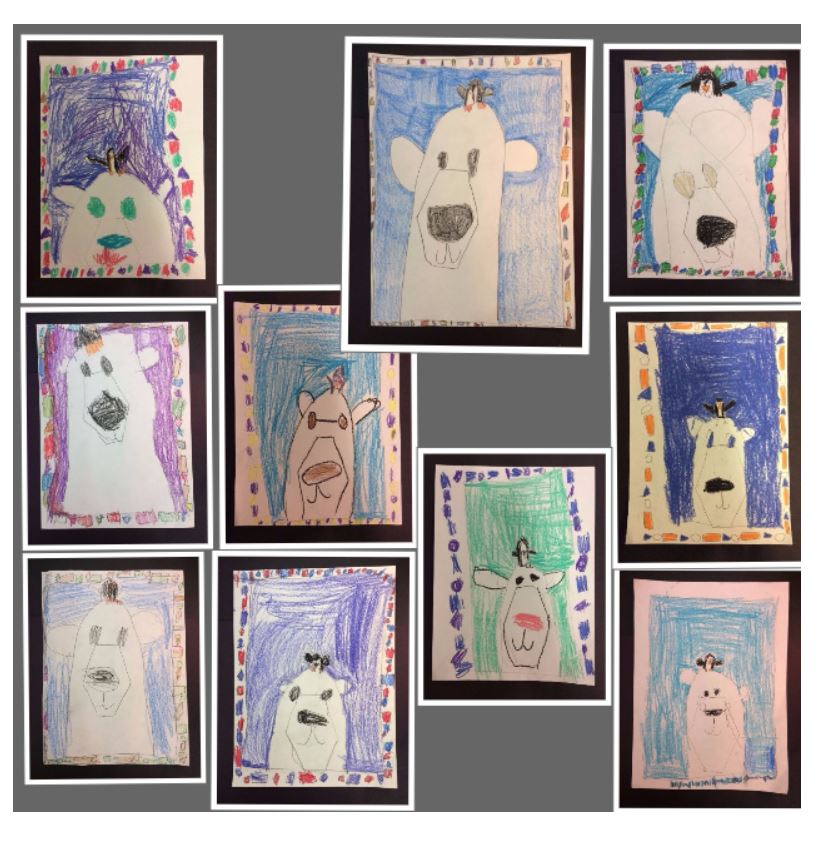
This was a Kindergarten directed draw with a focus on how shapes combine to make forms and identifiable objects as well as patterning with shapes and colors.

Monday, December 12, 2016

Arctic Animals - Connections with the Curriculum

student work
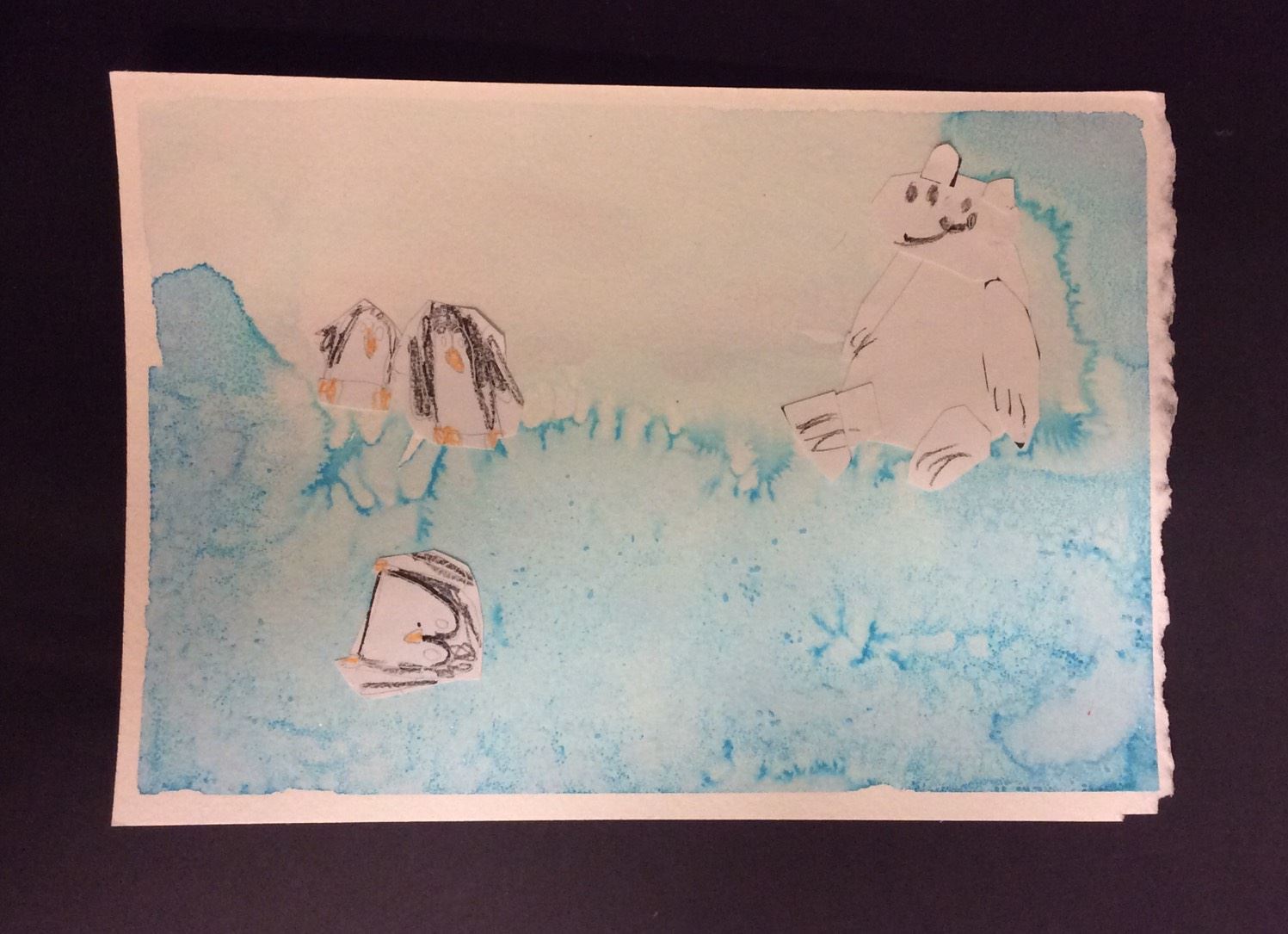
As a part of our PLC groups, I was task to connect with Science standards in Kindergarten and 1st grade.  I have searched everywhere trying to locate the source of my inspiration for this project so apologize to the person who posted it first for not referencing you here.  Students cut out shapes to form the polar bear to connect how geometric shapes are combined to create organic shapes.  Shapes and lines were used to add the small penguin friends.  The back ground was created with watercolor and a little Kosher salt.


student work

student work
Directed draw for penguins

Shapes for bear

Monday, November 14, 2016

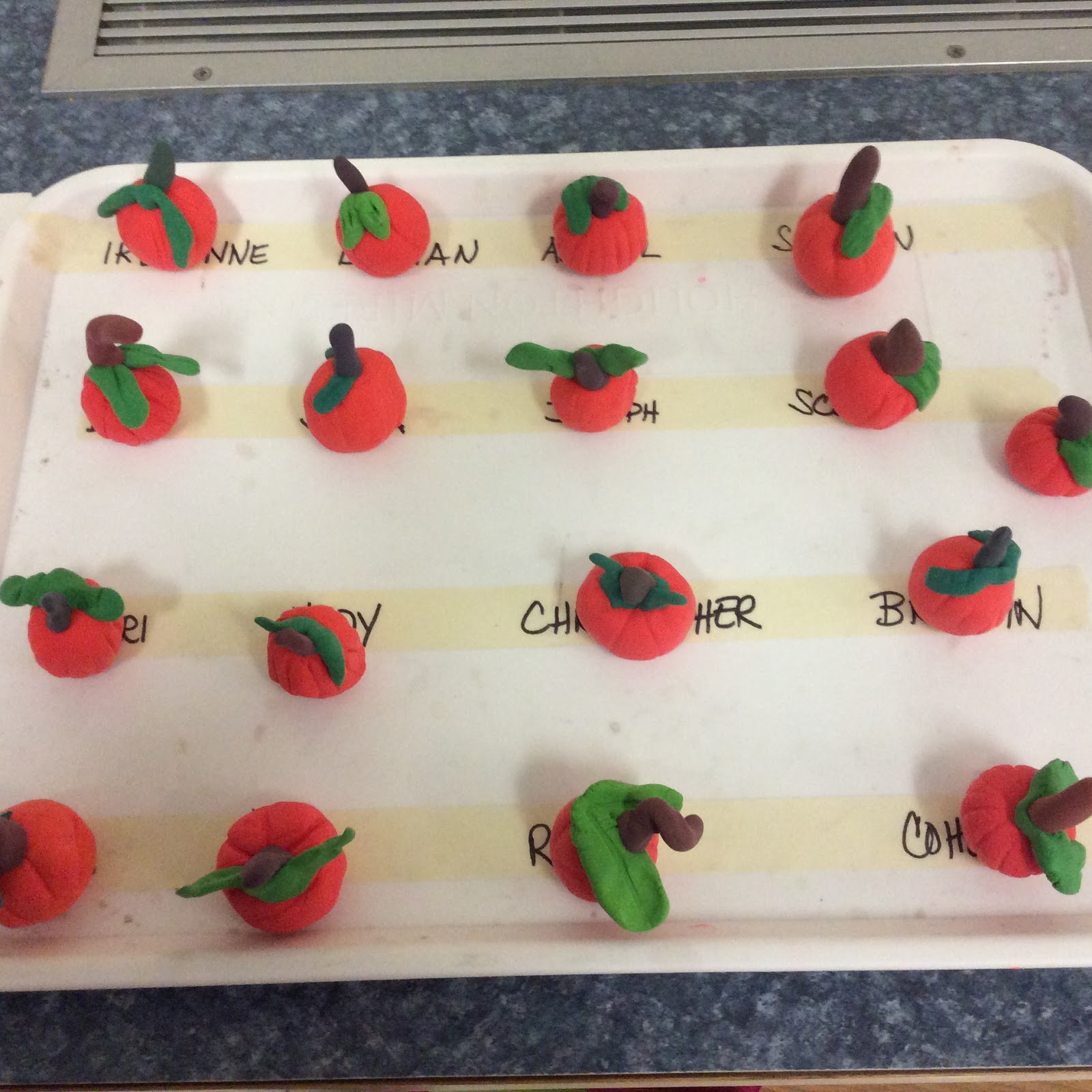
3D Color Mixing Pumpkins


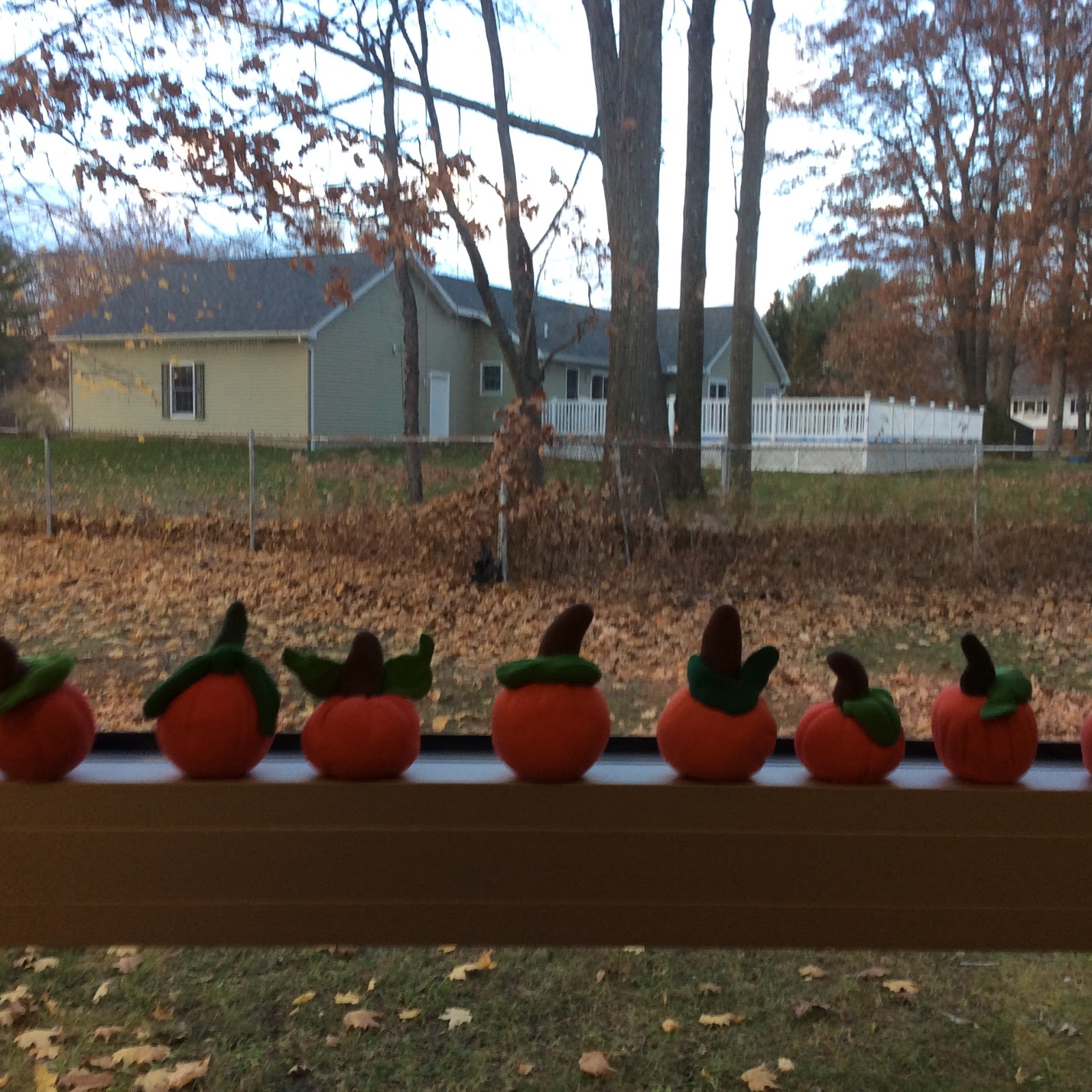
Color Mixing Pumpkins


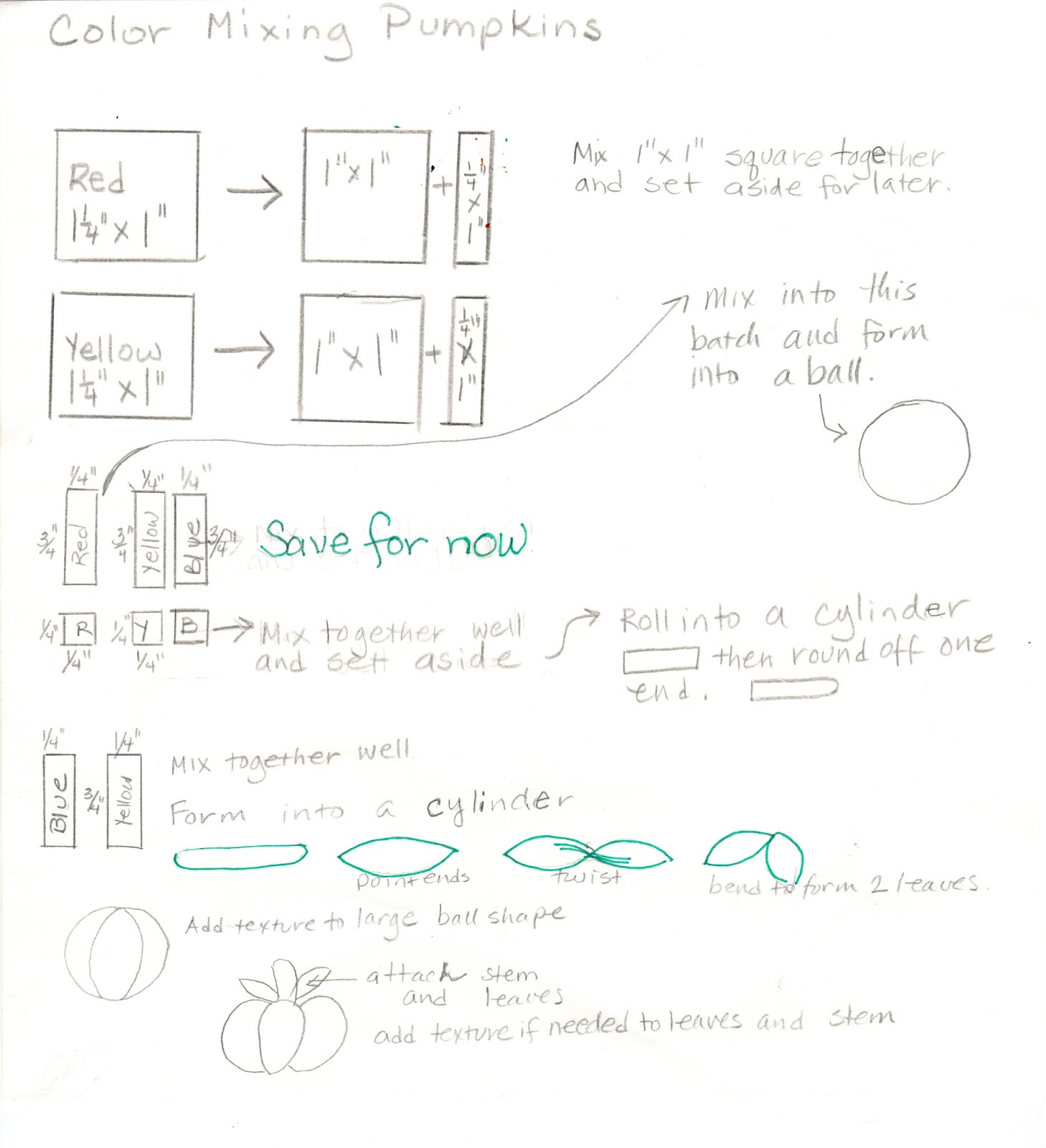
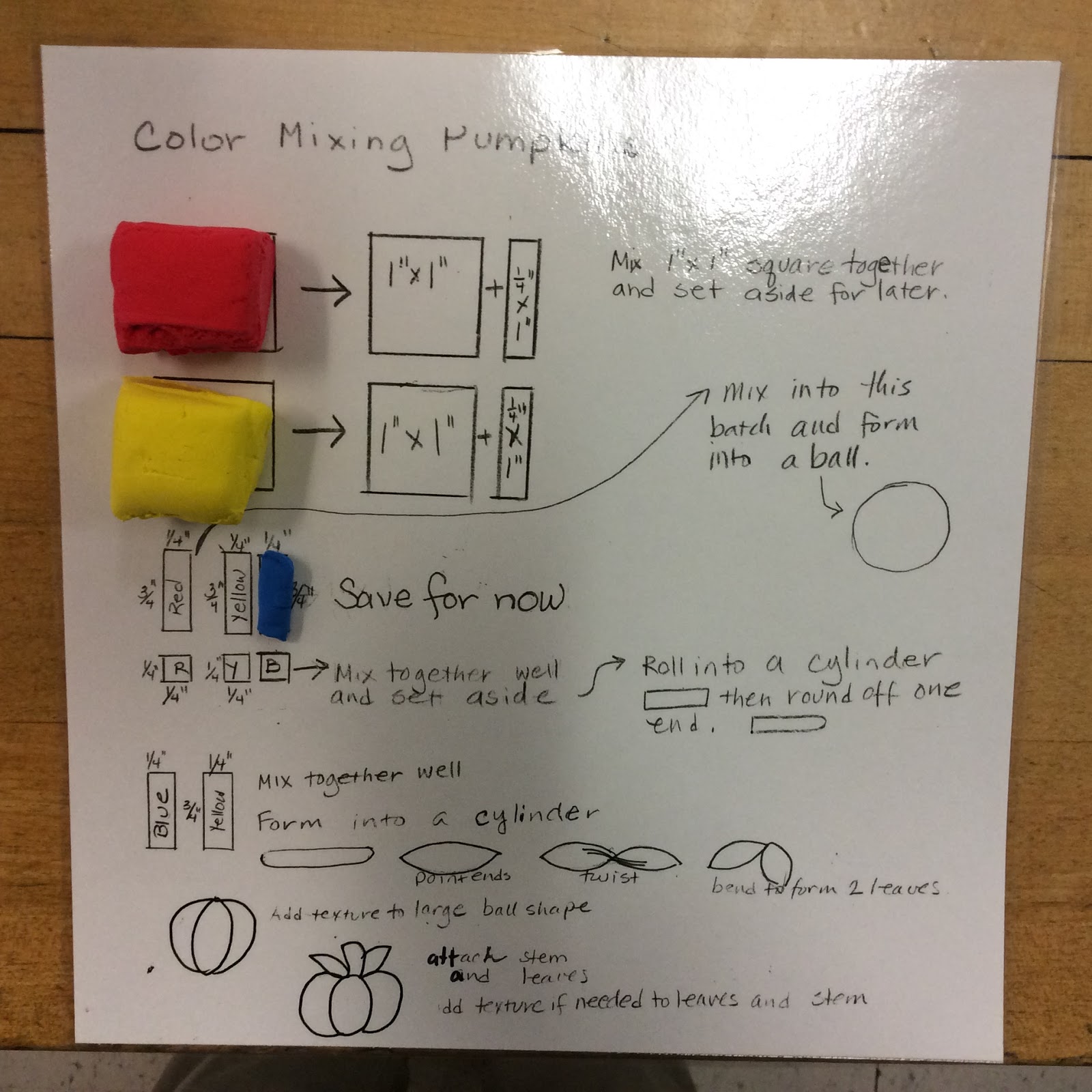
I have done this project with my 2nd grade students for a number of years but felt I wasn't making the strong Math connections that I wanted.  I was motivated to create a template for the project where students could more closely be involved in the measuring of the clay  to make clearer connections.  Here is the template I created.   I made enough copies so each child would have their own and ran them through the laminator.  It can be used like a place mat to actually do the work on.

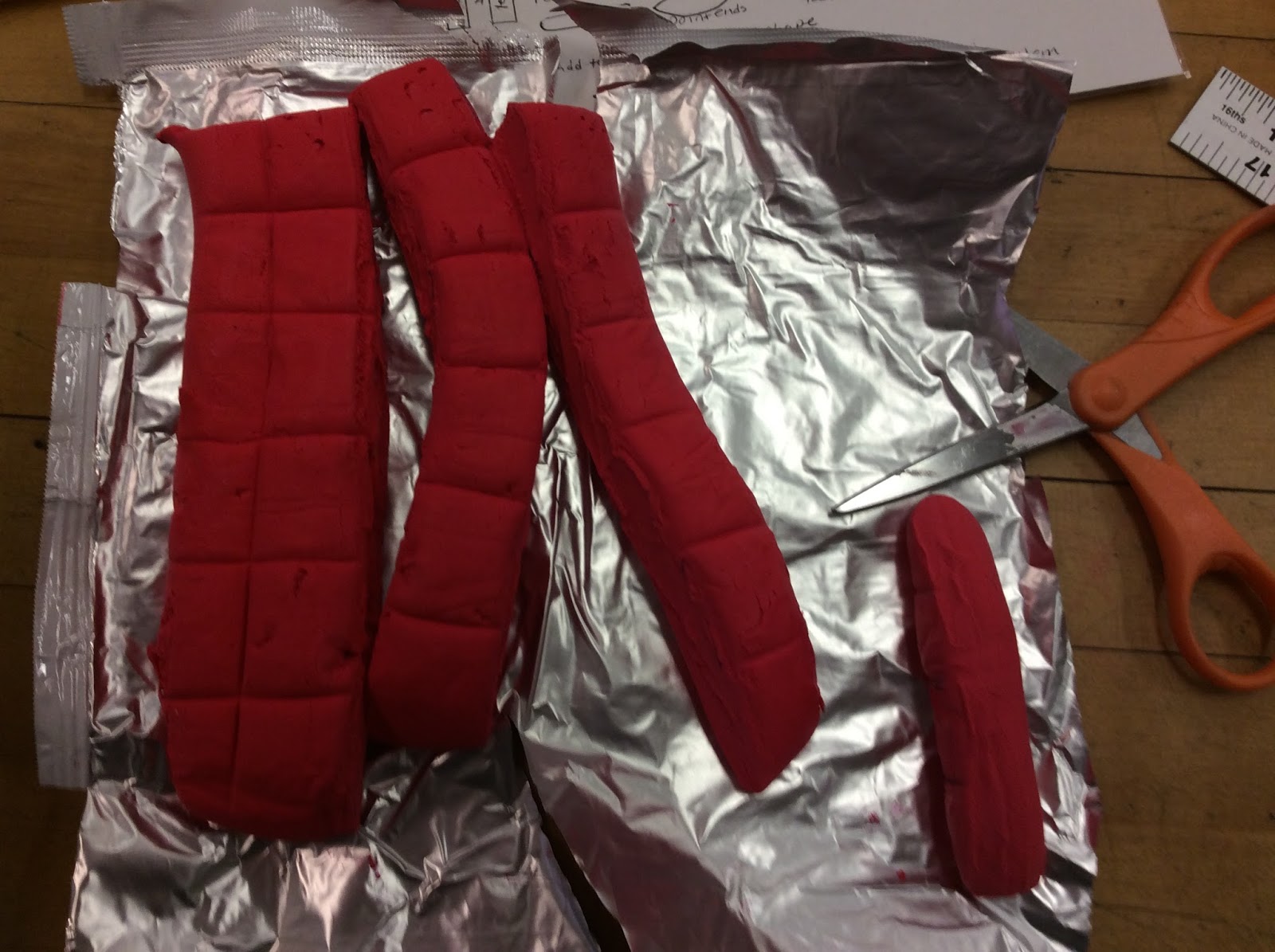
First I measured out the red, yellow and blue model magic clay for each student.
I use scissors to cut the individual pieces.
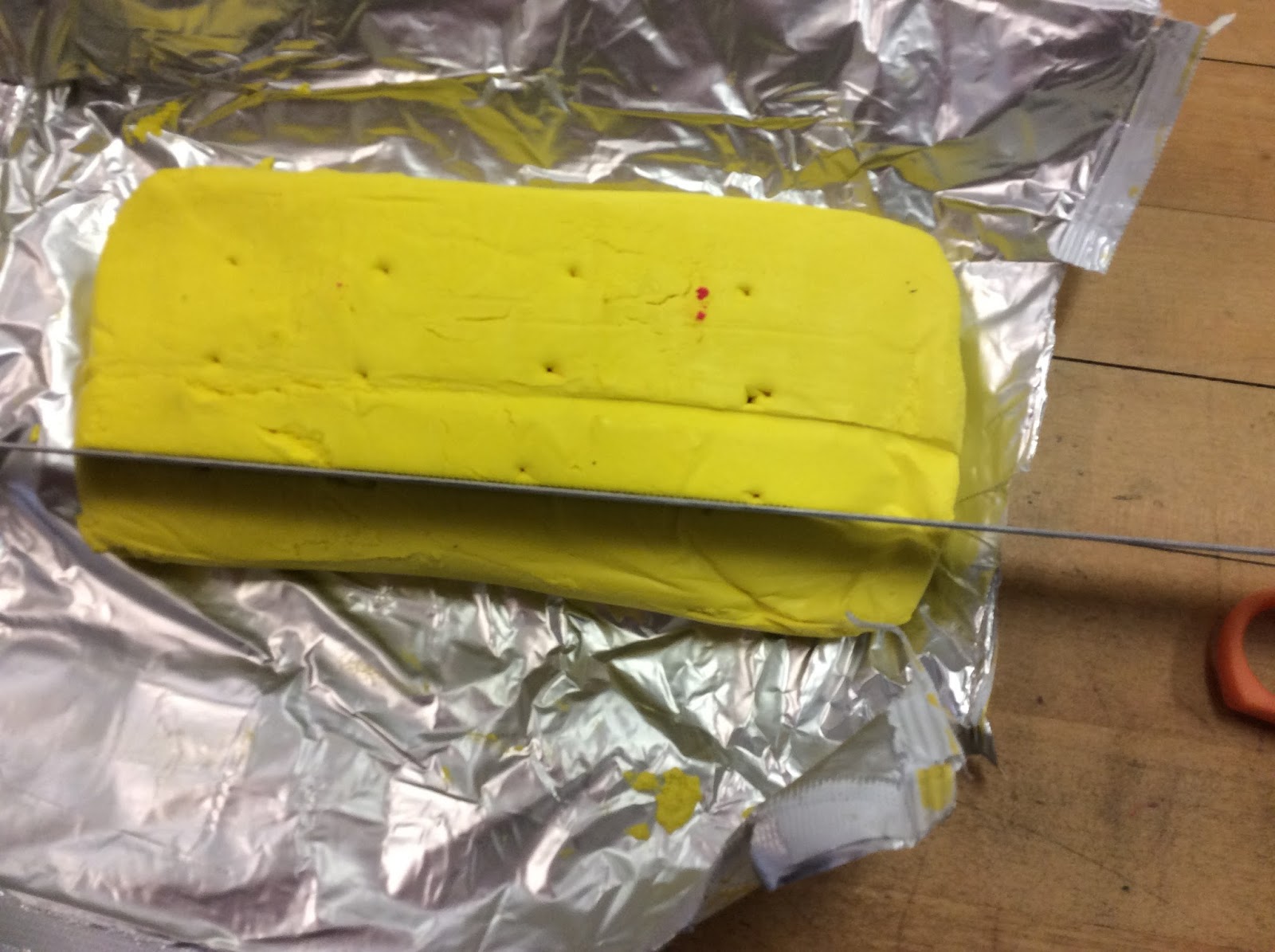
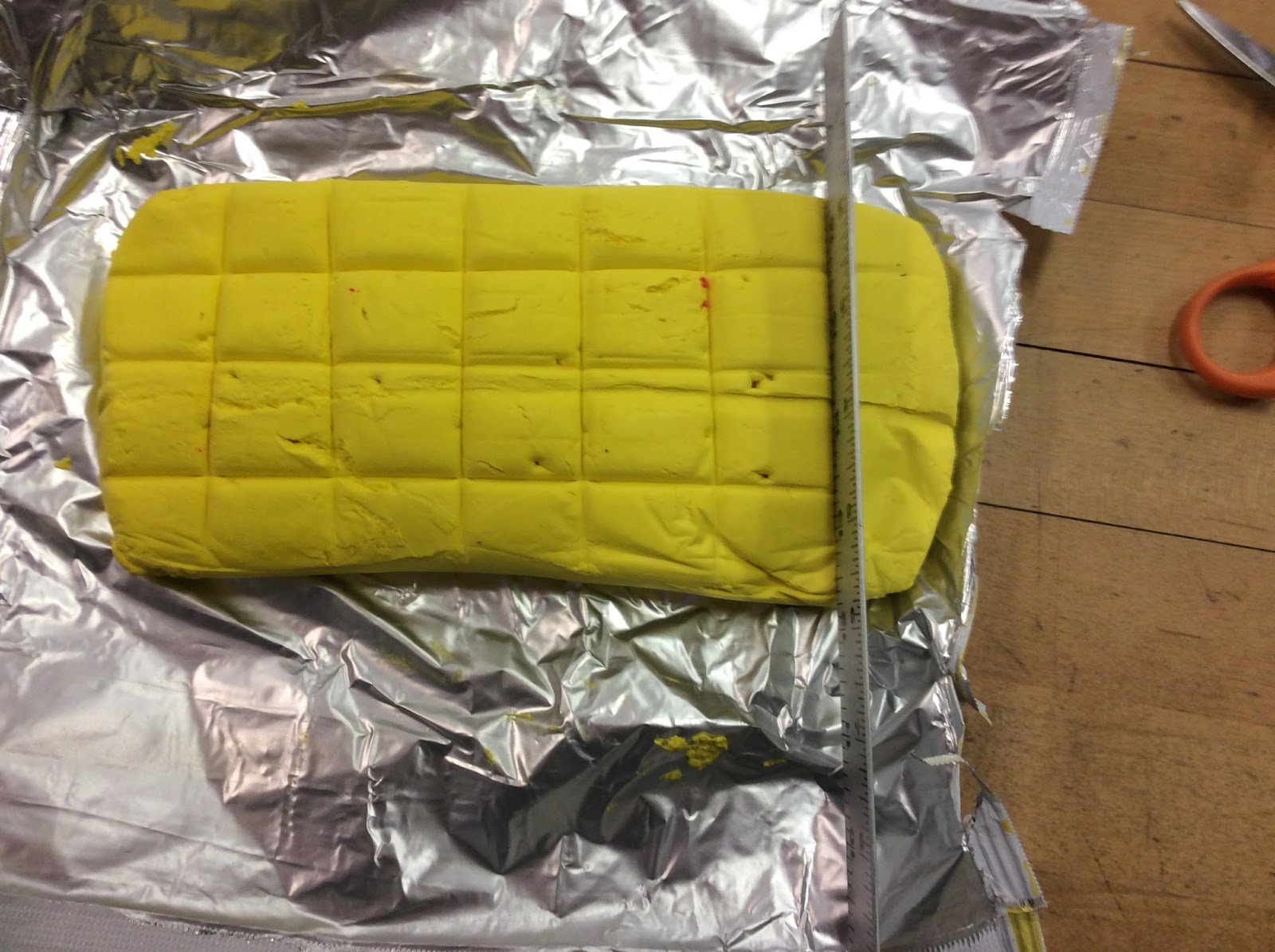
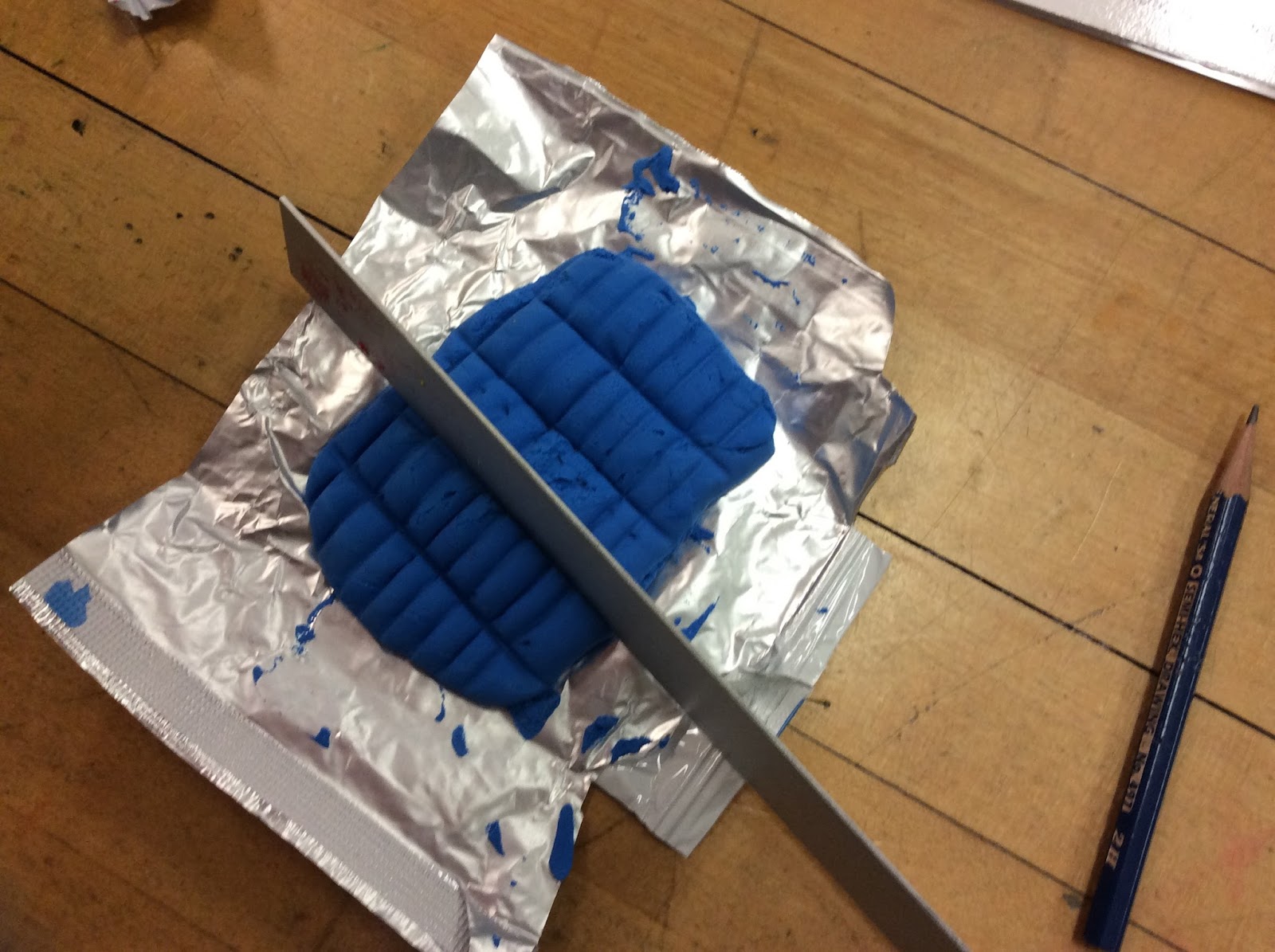
Measure off pieces and mark in the clay
Use a ruler to connect the marks
I used the side of the ruler to connect the dots and mark the cutting lines


Blue pieces are much smaller

I began by handing out the three colors of clay that were needed:

The place mat ready to begin

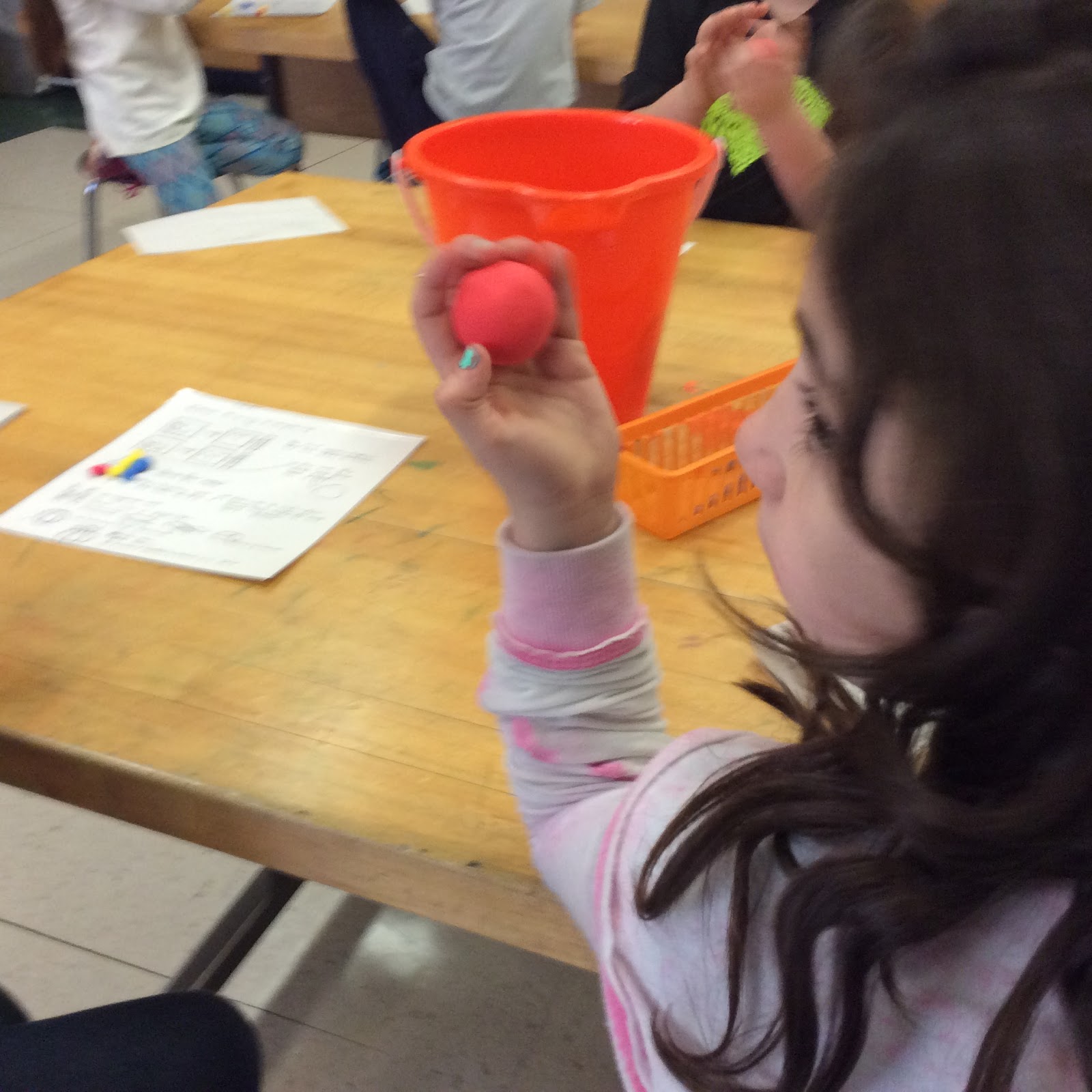
First step, mix red and yellow 1" pieces together.  Add in an extra piece
of red that measured 3/4" x 1/4".  This gave a red-orange
color for the pumpkin.
I conducted this project as a directed activity, walking them through each step, one step at a time.


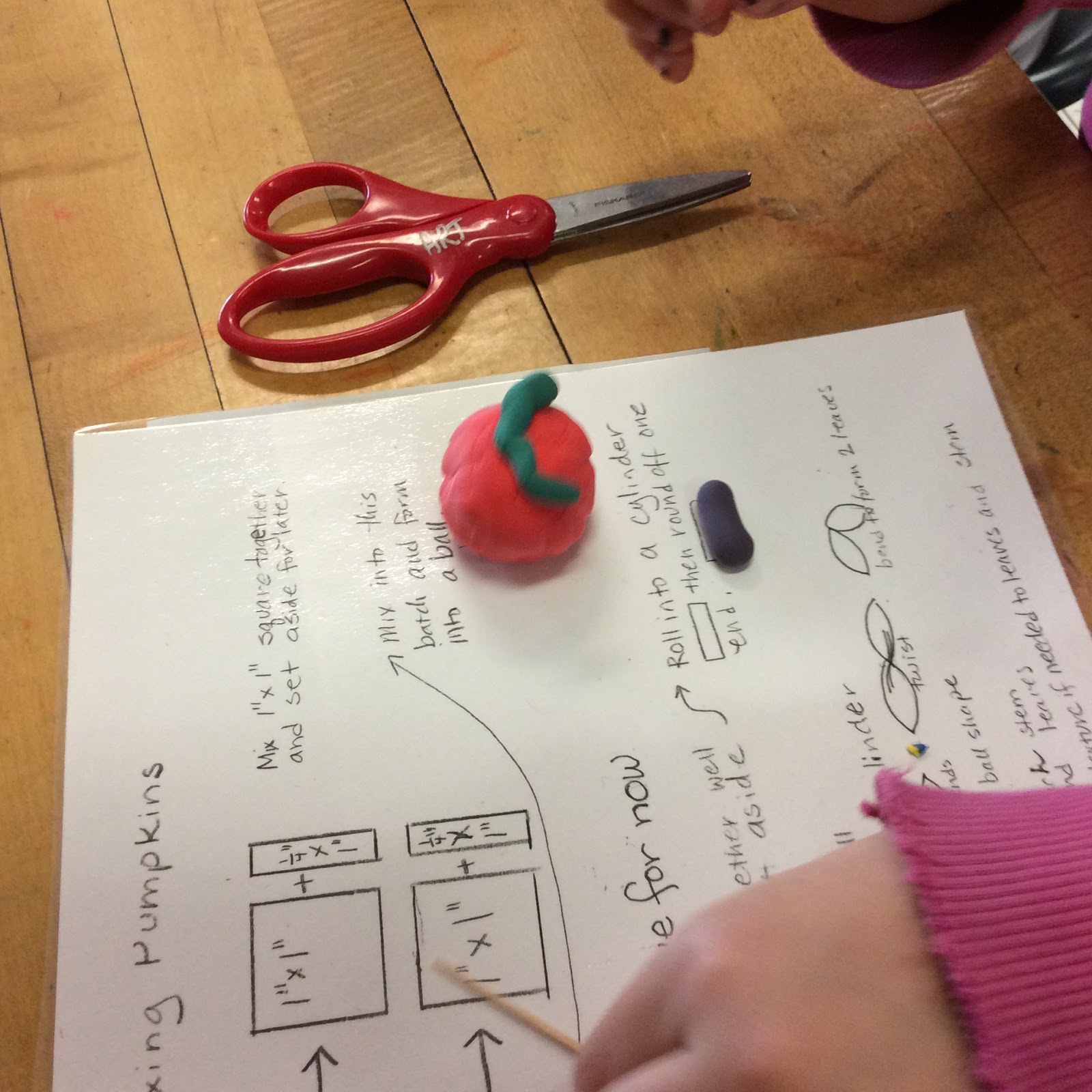
Next the brown for the stem was formed by mixing the very small
pieces of yellow, red, and brown. 1/4" x 1/4"  The 3/4" by 1/4"
yellow and blue were mixed to make the leaves.


Placed on a tray with student's names until they are dry
enough to write on the bottom with a sharpie


Saturday, October 22, 2016

Working on ATC in 4th grade

4th grade ATC
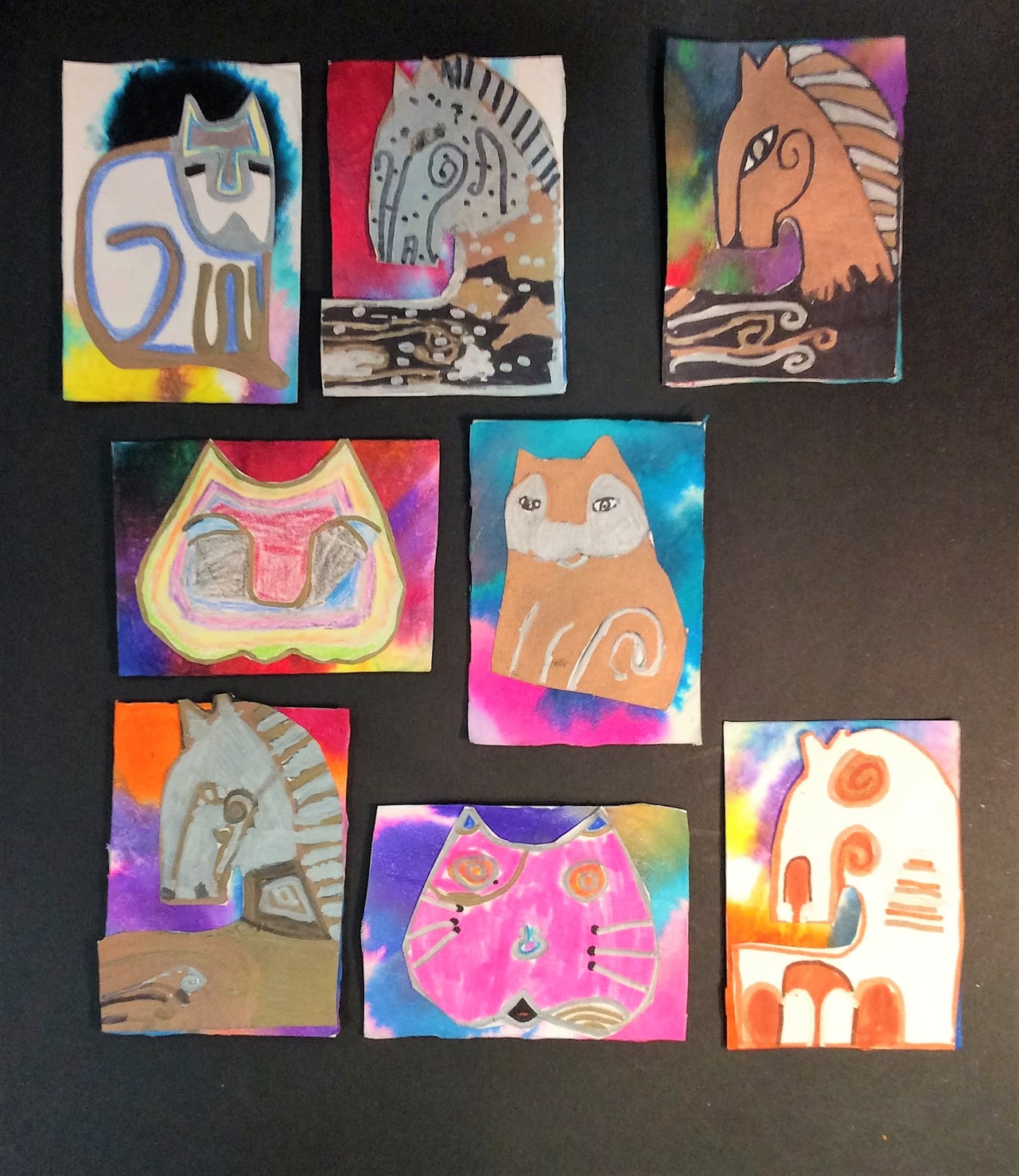
Students in both of my buildings are participating in the ATC exchange with  Mini Matisse over on blogspot.  I decided to structure the cards around particular lessons so that students would be exposed to artist or concepts by grade level and then able to prepare their card with some specific parameters.  Fourth graders investigated the artistic style of Laurel Burch, folk artist, who was propular within the last 40 years or so for her whimsical jewelry designs and other commercial items.  Students were drawn to the colors and patterns and jumped right in to develope their own individual ideas for their subject matter.  Burch is most well known for her cats but has also included other animals in her work.  Students choose cats, horses, dogs, unicorns from stencils I had prepared ahead of time.  A few creative individuals dabbled with their own personal ideas.  The backgrounds were created using coffee filters.  Students drew a variety of geometric shapes.  These were squirted with water.  Students watched in amazement as they discovered the shapes were morphing into organic shapes.  Finally, a way to truly demonstrate the differences in geometric and organic shapes.  The results were breathtakingly beautiful.  We have stashed away the left over scraps for future projects, these were too beautful to throw away!
White Fang by Analeah

Dragon by Hope

Thursday, March 19, 2015

Shape experiments to learn to draw people

Student Work
Several pages in the Kindergarten Shape book focus on combining shapes into identifiable forms.  By this point in time of the school year, the majority of Kindergarten students have master the drawing of basic geometric shapes and can easily identify them along with their attributes.  They have draw and colored shapes, textured shapes and cut and collage shapes. For this lesson, they created three different "people" forms using shapes.  The first drawing is of the infamous super hero "Oval Man".  He can only be drawn using an oval and his relative the circle.  This is a directed draw but the students are actively directing what is happening.  As a group, students identify the shape needed for each part of the body in response to my questions.  Some classes unanimously believe the head should be a circle while others opt for an oval.  I follow along as per their suggestions as long as they are reasonable and model the creation of oval man.
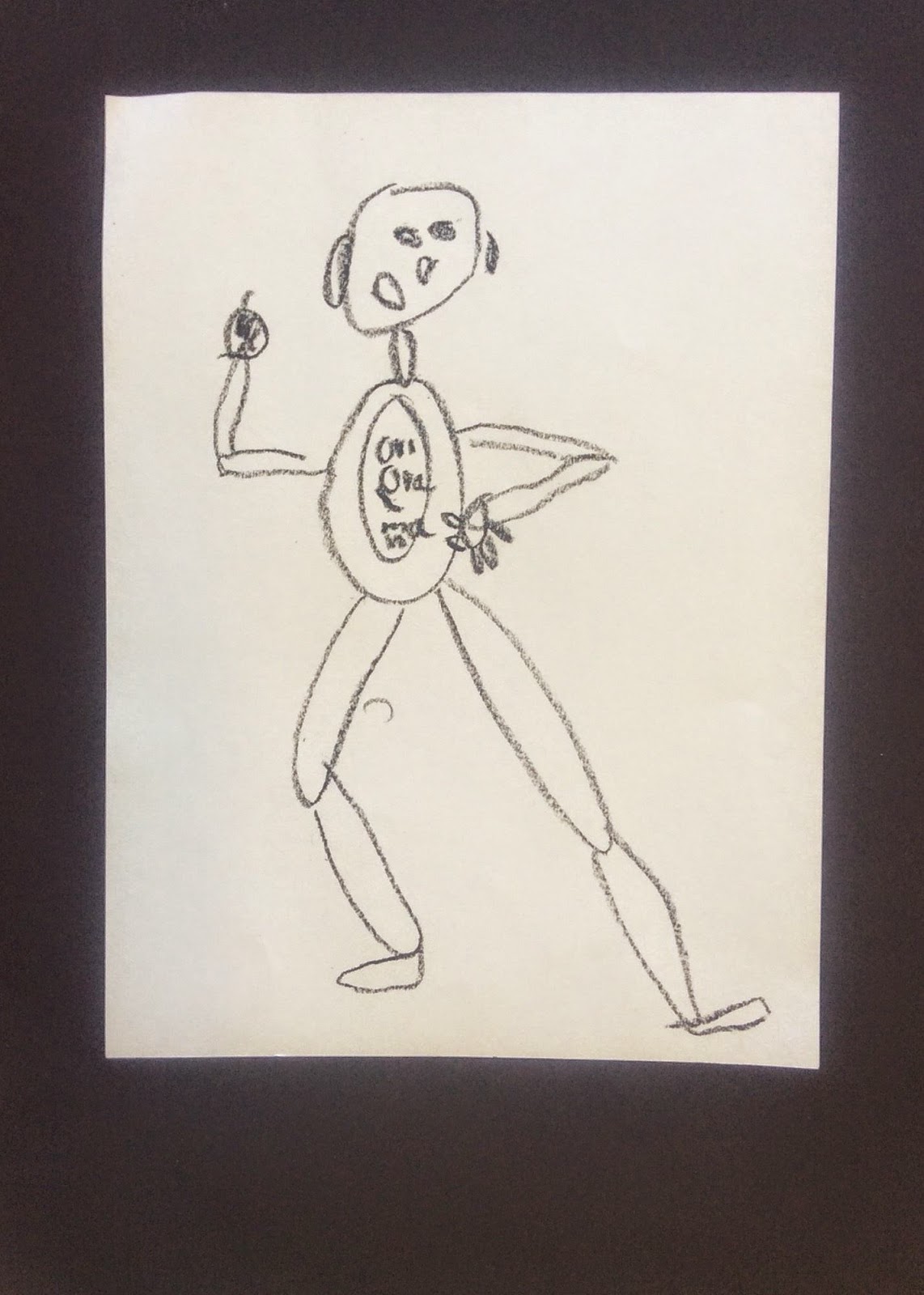
student created Oval Man

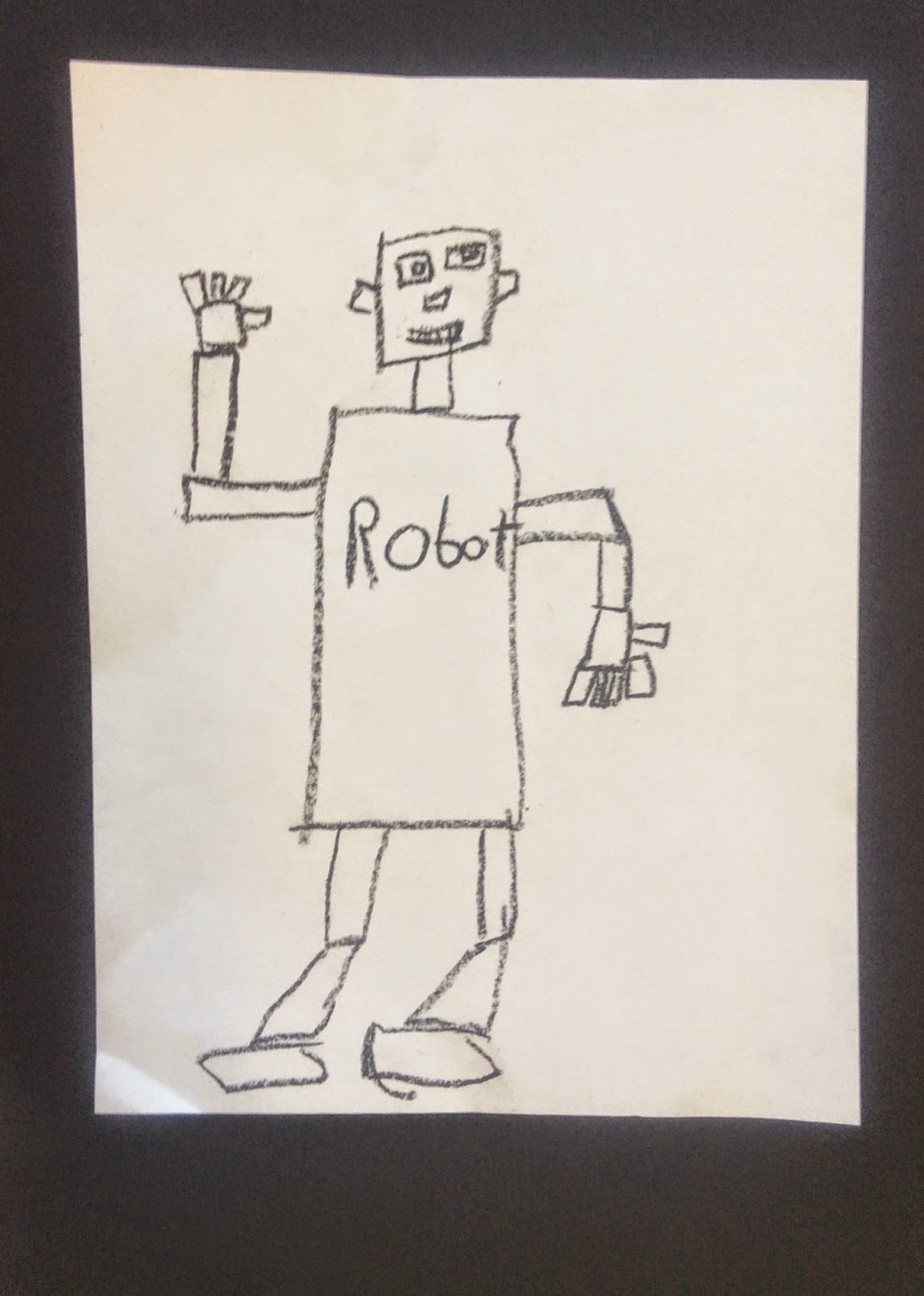
Student Created Rectangle Robot

For the next drawing, the process is repeated but this time only using rectangles and his relative square for all the designated body parts.  Robot Rectangle is brought to existence through this process.

It all comes together in the final drawing when all four shapes can be used to create a more realistic body of a person.  No stick people in this art room!!!
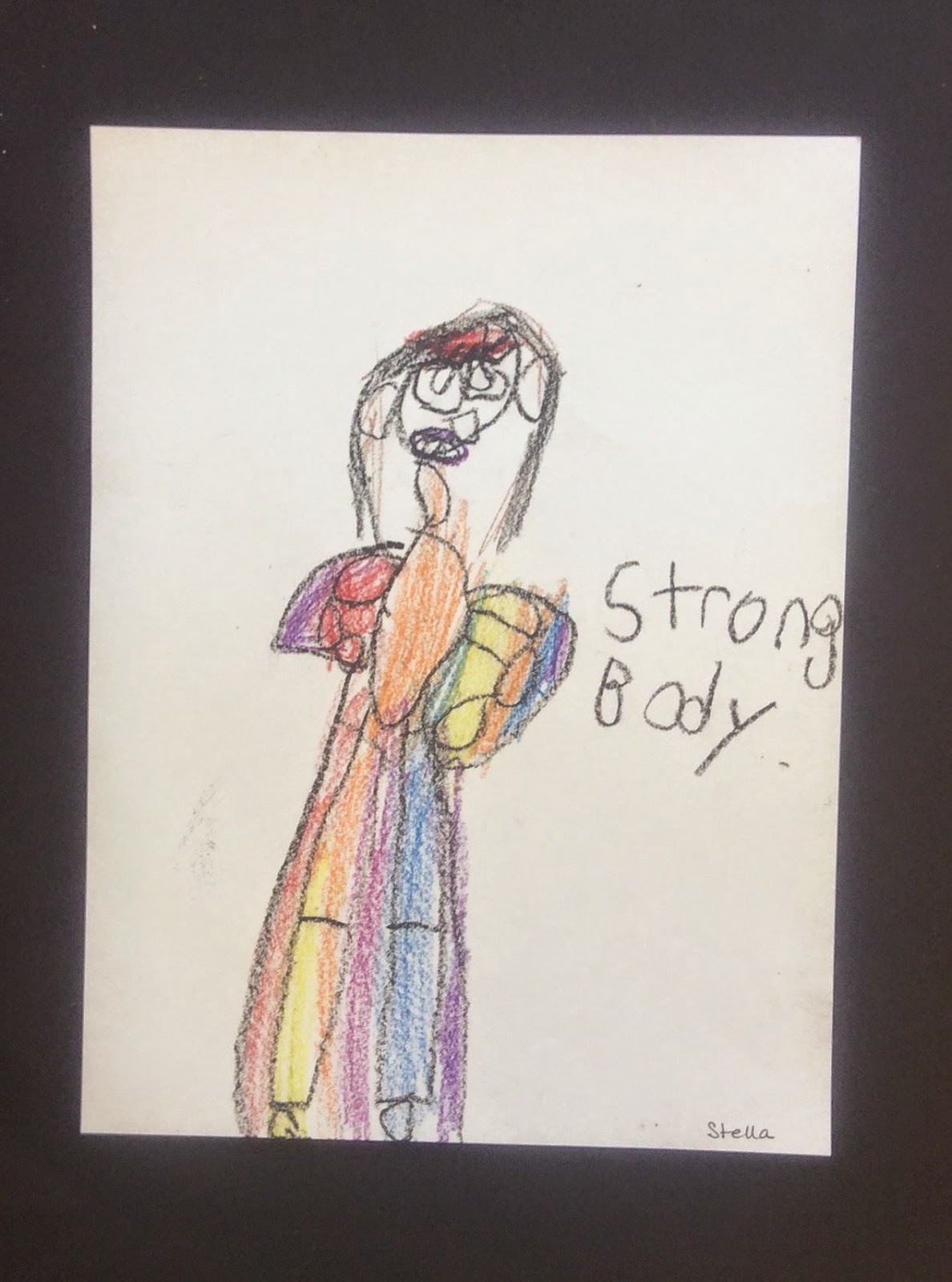

Student work for Strong Body


Finally, the outlines of clothing are drawn around this final figure so that "Strong Body" will be more realistic.  Of course details like hair are added as well.  Crayons are used to color in the clothing and the transition has been made to drawing real people in Kindergarten.